Málaga guides
What to see in Málaga in 3 days
Three days is enough to see the best of Málaga without rushing: monuments, museums, the port, the beach and a taste of neighbourhood life. Here's a day-by-day walking itinerary, designed for staying in the centre without a car.
Before you start: planning three days in Málaga
Central Málaga is compact, and almost everything on this list is within twenty minutes' walk of everything else. So this itinerary doesn't use transport except for the odd optional extra.
Prices and opening times change, so we haven't included them here: check each place's official website before you go.
Day 1: the Cathedral, Picasso, the Alcazaba and Gibralfaro
Day one is the city's historic heart: everything is a few minutes' walk apart, except the final climb to Gibralfaro.
The Cathedral
Locals call it «La Manquita» (the one-armed lady) because one of its two towers was never finished. It's worth seeing inside and, if it's available, going up onto the roof for a view over the city.
Picasso Museum Málaga
A few minutes away, in the Buenavista Palace, with work from every period of the painter, who was born in Málaga.
The Roman Theatre
Head down Calle Alcazabilla to this 1st-century BC theatre, which you can see from the street or visit inside.
The Alcazaba
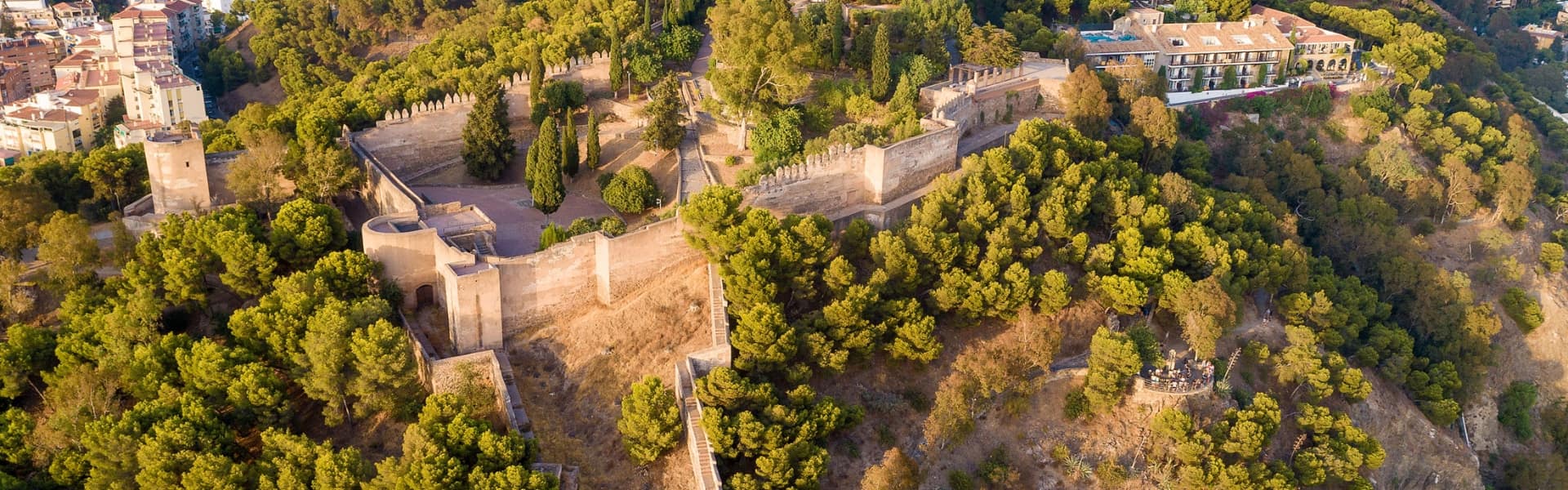
Right above it is the 11th-century Moorish fortress, with courtyards, gardens and fountains.
Gibralfaro Castle
If you've still got energy, carry on up: the climb is steep, but the views over the port and the bullring at sunset are worth it.
You can also get up there by bus or taxi.
Dinner around Plaza de la Merced
In the evening, eat around this square, which is also where you'll find Picasso's birthplace.
- Cathedral
- Picasso Museum
- Roman Theatre
- Alcazaba
- Gibralfaro Castle
- Plaza de la Merced
Day 2: the market, Calle Larios, museums and the port
Day two runs from the market to the sea: shopping, painting, the port and an afternoon on the beach.
Atarazanas Market
Have breakfast or a mid-morning bite at this 19th-century market, which keeps a Nasrid gateway from the old shipyard. It's the best place to see local produce: fish, fruit, olives and nuts.
Calle Larios
The city's best-known shopping street, down to Plaza de la Constitución.
Carmen Thyssen Museum
A few minutes away, in the Villalón Palace, focused mainly on 19th-century Spanish painting.
Muelle Uno
In the afternoon, head to the port: a seafront promenade with shops and restaurants.
Centre Pompidou Málaga
At the end of Muelle Uno, easy to spot thanks to its colourful glass cube.
Paseo del Parque and Malagueta beach
Walk back through the Paseo del Parque, with its tropical planting, and finish the day on the beach.
- Atarazanas Market
- Calle Larios
- Carmen Thyssen Museum
- Muelle Uno
- Centre Pompidou
- Malagueta beach
Day 3: Soho, the Museum of Málaga and Pedregalejo
The last day mixes contemporary art, archaeology and an afternoon by the sea in an old fishing quarter.
Soho, the mural district
Spend the morning in the arts district between the Alameda Principal and the port, with huge murals on the buildings. The former Contemporary Art Centre (now MUCAC) was closed for works at the end of 2025: check its website to see whether it has reopened.
Museum of Málaga
In the Customs House Palace (Palacio de la Aduana) by the Paseo del Parque, bringing together fine art and archaeology collections.
Pedregalejo
In the afternoon, take a bus or taxi to the old fishing quarter east of the centre. Its seafront, lined with beach bars, is the classic spot to try espetos, sardines grilled on skewers by the sea.
Prefer a day trip on day three?
If you've already seen the essentials, Málaga makes a great base for day trips. Three of the most popular:
- Caminito del Rey: a walkway through the Gaitanes gorge. You'll need to book tickets well ahead and check how to get there, as access has set times and limited places.
- Nerja: a whitewashed seaside town known for the Balcón de Europa and its caves.
- Ronda: home of the Puente Nuevo bridge, spanning the gorge of the Guadalevín river.
What to eat in Málaga
Food is half the fun. With three days, try at least:
- Espetos: sardines grilled on skewers in sand-filled boats on the beach.
- Pescaíto frito: a plate of fried fish such as anchovies, squid or red mullet.
- Ajoblanco, in summer: a chilled almond and garlic soup often served with grapes.
- Málaga's sweet wines, such as moscatel, which have a long tradition.
Where to stay for three days in Málaga
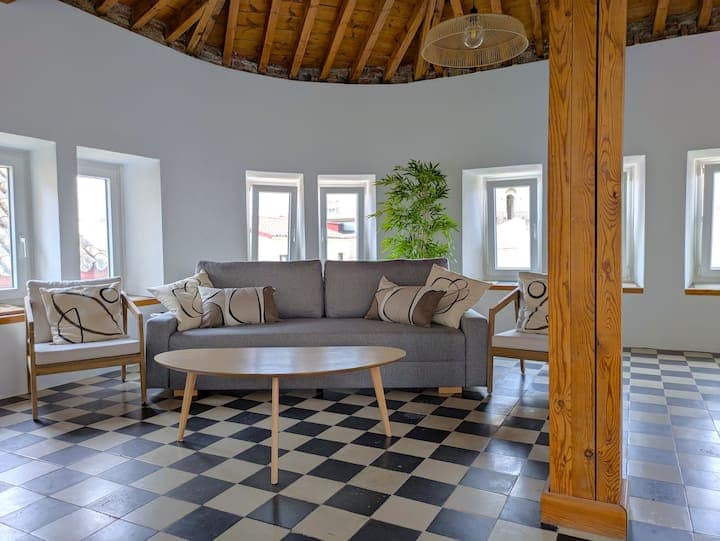
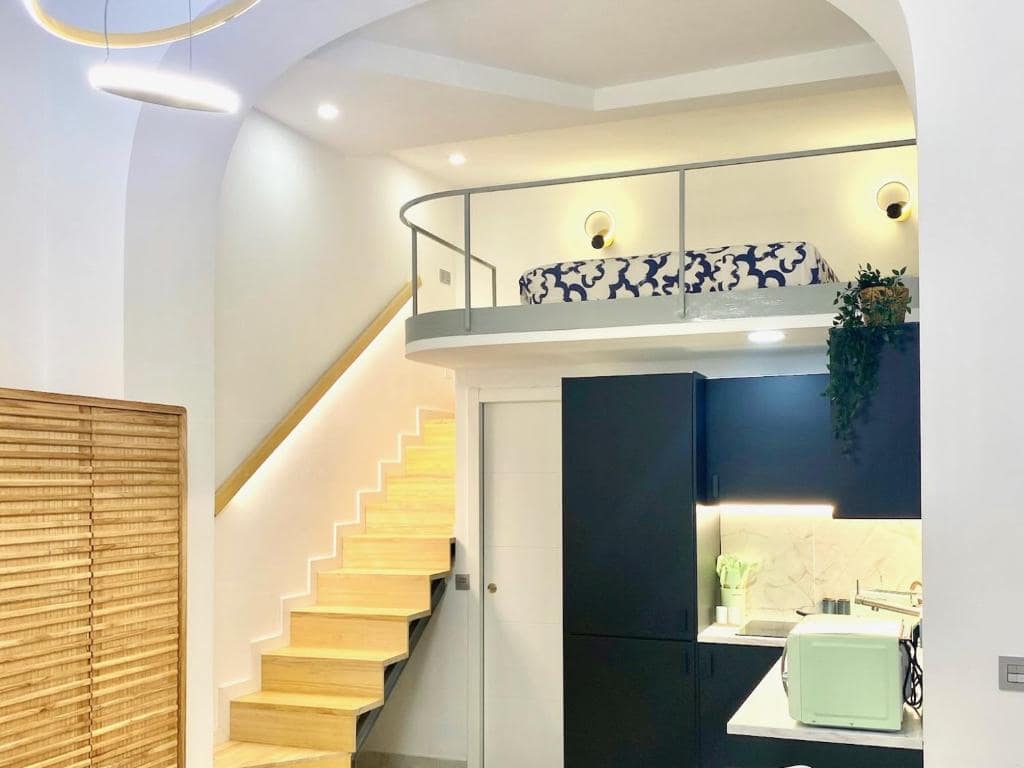
For this itinerary, the Old Town is the ideal base. Torre San Juan is about 2 minutes' walk from Calle Larios and about 5 from the Cathedral (approx.), in an 1867 building; bear in mind it's a 4th floor with no lift. Museums Loft is about 3 minutes from Plaza de la Merced and about 6 from the Picasso Museum (approx.).
If you're driving for a day trip, Trinidad has paid parking in the same building. And for groups of up to 6, Cuarteles is next to the airport train, about 11 minutes' walk from Calle Larios (approx.).
Frequently asked questions
Is 3 days enough for Málaga?
Yes, to see the essentials at a relaxed pace: the Old Town, the main museums, the port and the beach. If you want to add day trips, allow an extra day or two.
Do I need a car for this itinerary?
No. Everything is walkable from the centre, except Pedregalejo, which is a bus or taxi ride away, and the optional day trips.
Should I book tickets in advance?
We'd recommend it for the busiest places, such as the Picasso Museum, the Alcazaba or the Caminito del Rey. Check prices, opening times and closing days on each website, as they change.
Can you walk up to Gibralfaro?
Yes, there's a path up from the Alcazaba area. It's a steep climb; if you'd rather not, you can go up by bus or taxi.
Where is the best place to stay for 3 days in Málaga?
The Old Town, so you can walk everywhere. Our Torre San Juan and Museums Loft apartments are both in the historic centre.